The 2026 UAP Files: What Release 01 Actually Contains
A plain-language guide to the first batch of declassified UAP records published on war.gov/ufo, what is inside, and what is not.
Draft explainer. Verify every claim against the original records at war.gov/ufo before citing.

On May 8, 2026, the U.S. Department of War opened a public web portal at war.gov/ufo and released its first tranche of declassified Unidentified Anomalous Phenomena (UAP) records through a system it calls PURSUE — the Presidential Unsealing and Reporting System for UAP Encounters. This post is a plain-language map of what that first release ("Release 01") actually contains, and what it does not.
What was released
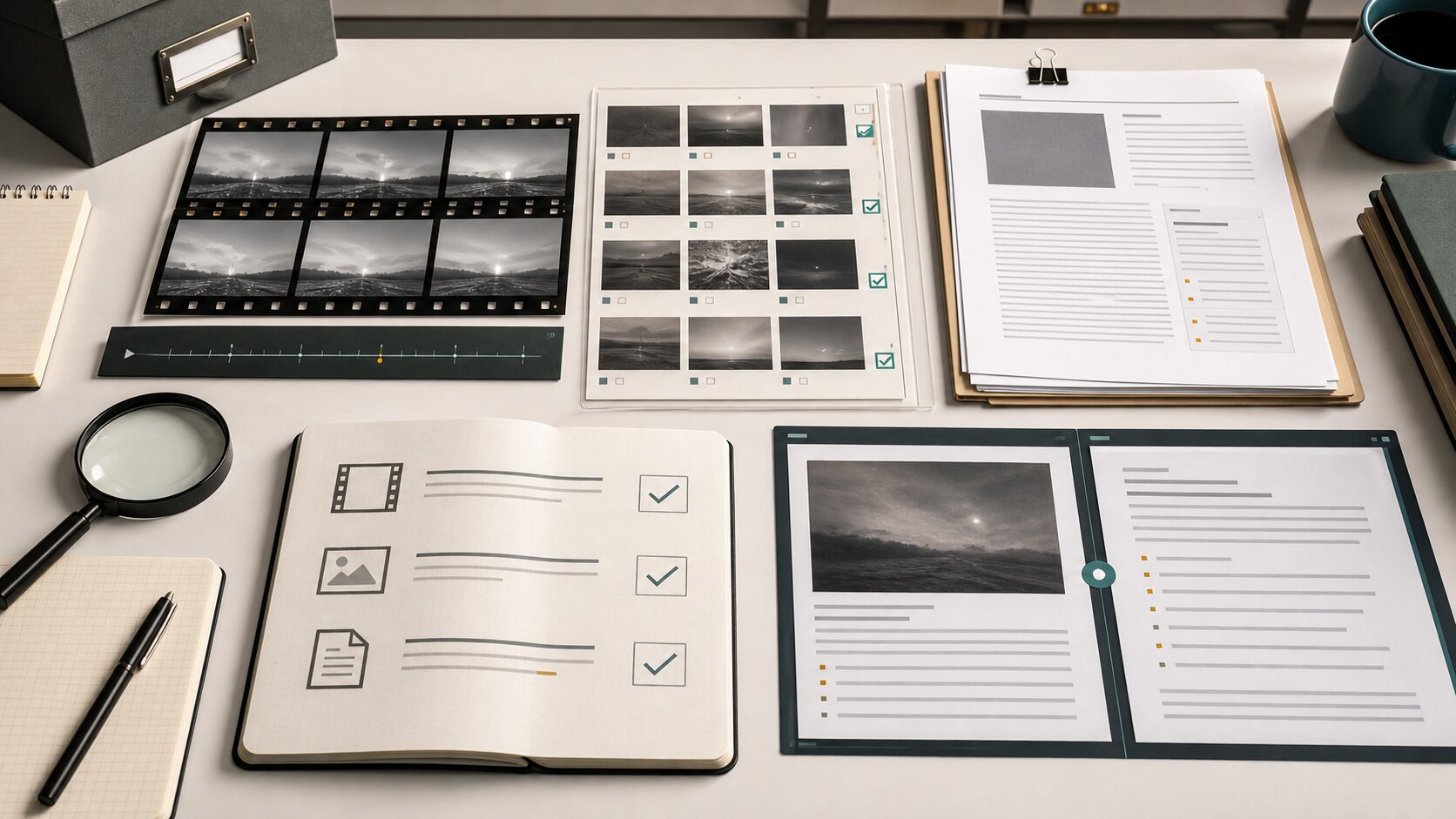
The first tranche includes more than 160 records spanning roughly 1948 to 2026:
- Video files captured by military sensor systems.
- Imagery — still photographs and scanned stills.
- PDF reports and slide decks, including eyewitness transcripts and incident summaries.
On uapufo.org these are grouped into case records so the videos, documents, and imagery for the same incident sit together. Each file keeps a link back to its original war.gov/ufo or DVIDS source page.
What is not in Release 01
This is the part most readers miss. According to public reporting and statements from former officials:
- The released video footage came largely from tactical military systems with lower security classifications.
- Material collected by national systems controlled by the NRO and CIA — deployed in sensitive areas — was not part of this release.
- Release 01 is explicitly a first tranche; additional files are expected on a rolling basis.
How to read the files critically
Early expert reactions were mixed. Some reviewers identified optical artifacts, distant balloons, and light smears; others noted that eyewitness transcripts are, on their own, weak evidence, and that several videos lack the context needed to assess them.
A few practical habits when browsing the archive:
- Check the source link. Every case page links the original government record.
- Separate the file from the interpretation. A video is a primary record; a summary or analysis is not.
- Note what is old. Some material in Release 01 has circulated in books and media for decades — that does not make it new evidence.